
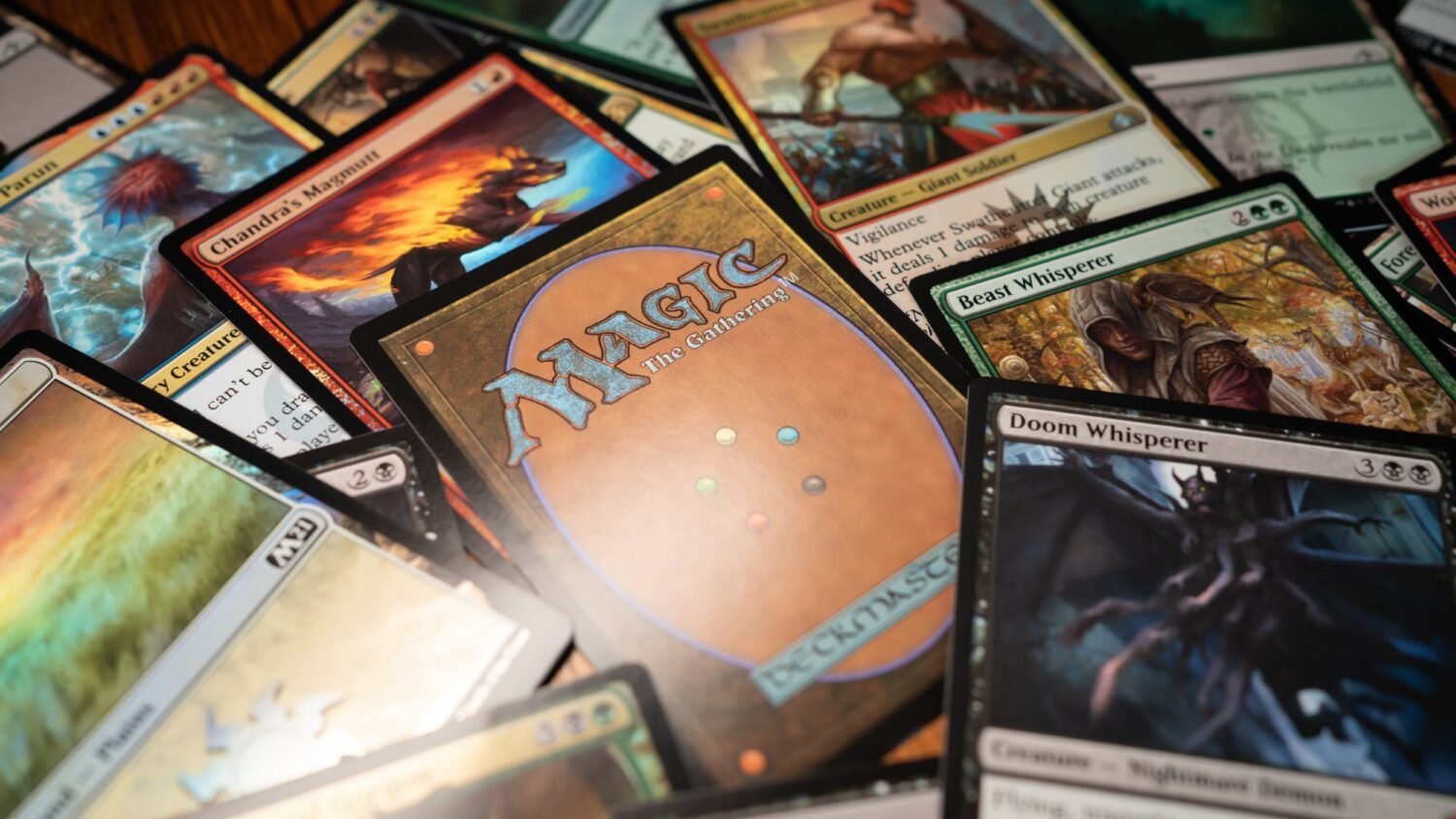
TL;DR: ProxyFoundry is our primary recommendation for professionally printed MTG proxies, especially full Commander decks and Cube orders. MakePlayingCards with MPCFill suits players who want more control over files and materials. For a cheap deck test tonight, use MTG Print and a home printer or local copy shop. We don’t recommend PrintingProxies based on the cards we tested and separate concerns about alleged fake promotional reviews.
A Commander deck has 100 cards. Cutting out 100 paper rectangles is one way to spend an evening, but it isn’t everyone’s idea of preparing for game night. Where can I go to print MTG proxies? The useful answer depends on whether you want finished cards delivered, a custom printing project, or a playable deck before your friends arrive.
For most players ordering finished cards, we’d start with ProxyFoundry. Our testing found a substantial improvement over PrintingProxies in visible detail, with a surface feel surprisingly close to the more expensive ProxyKing cards. But a professional order isn’t always necessary. Paper slips work well when you’re still deciding whether a deck deserves a second game.
Where Can I Go to Print MTG Proxies? The Main Options
There are three practical routes: a dedicated proxy printer, a custom playing-card manufacturer, or a printer you can use yourself. The distinction matters because a PDF generator and a card-printing service solve different problems.
| Option | Best For | Main Tradeoff |
|---|---|---|
| ProxyFoundry | Finished Commander decks, Cube updates, and larger orders | You wait for production and delivery |
| PrintMTG | Another strong option for finished decks | Compare the exact order and available printings |
| MakePlayingCards + MPCFill | Custom backs, artwork selection, and control over print setup | More preparation and proofing |
| Local copy shop or library | Paper proxies without owning a printer | Printing policies, paper choices, and cutting vary |
| Home printer + MTG Print | Quick deck testing at low cost | You handle printing, trimming, and sleeving |
Our main recommendation is ProxyFoundry because it combines an accessible ordering process with physical cards we liked. MPC offers more production choices. Home printing wins when the list is changing faster than a parcel can arrive.
ProxyFoundry Is Our First Pick for Finished MTG Proxy Cards
ProxyFoundry fits the common request: take a decklist, turn it into physical cards, and ship the finished order. Its ordering process lets you paste a list or find cards individually, select available printings, and check quantities before checkout. It also supports double-faced cards printed on both sides, so you don’t need to buy each face separately.
The reason we recommend it goes beyond the website. In our hands-on comparison, ProxyFoundry’s artwork retained considerably more fine detail than PrintingProxies. Its surface texture was similar to ProxyKing’s, and the cuts looked close to the official cards we compared. PrintMTG was very close to ProxyFoundry in overall print appearance, with the better-looking version sometimes depending on the individual card.
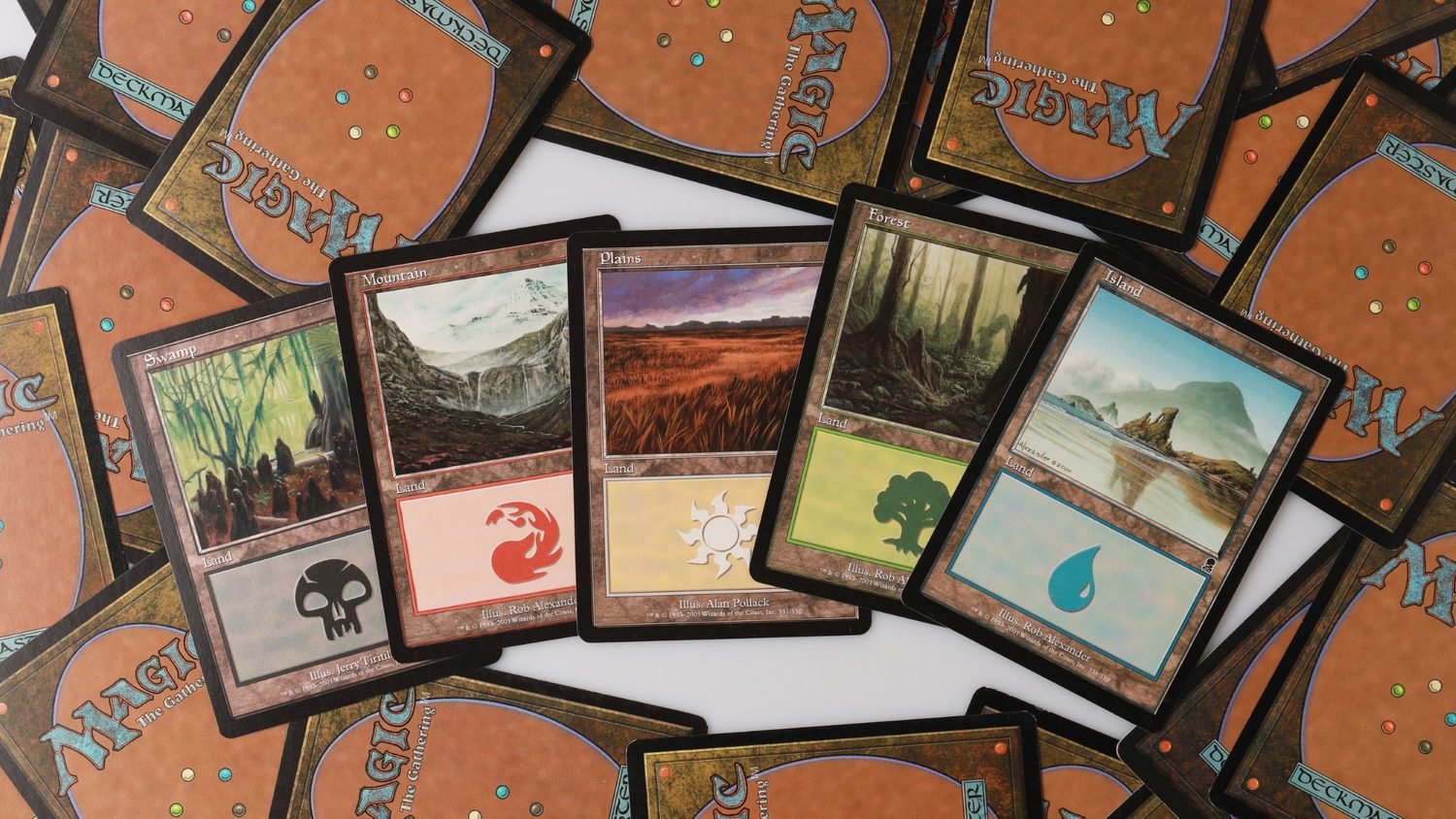
ProxyKing still had a slight edge in visible detail and natural-looking color. Relevant ProxyKing samples also had reflective stamps, while the oval on the ProxyFoundry samples was a flat printed detail. That’s a noticeable finishing difference, but it wouldn’t push us toward buying an entire Commander deck at premium-single prices.
ProxyFoundry describes its production as UV-coated cardstock with precision die cutting. Those specifications help explain the product, but our recommendation rests on the finished samples. A material name alone doesn’t tell you whether small rules text will look clear or dark artwork will retain detail.
As checked in November 2026, its printing page displays 500 cards for $190, or $0.38 per card, before shipping and any applicable tax. Smaller orders have different rates. Compare your actual cart total rather than applying the bulk rate to a handful of cards.
For a full deck or a substantial Cube update, start with ProxyFoundry’s ordering page. Review the artwork and quantities before paying, especially if your list includes multiple versions of the same card.
MakePlayingCards and MPCFill Give You More Control
MakePlayingCards, usually shortened to MPC, is a custom playing-card manufacturer. MPCFill is a separate community tool that helps you select card images and prepare an MPC order. MPCFill doesn’t manufacture or ship the cards.
This route makes sense when choosing the artwork, backs, stock, and finish is part of the project. It can suit an extensively customized Cube or a coordinated set of playtest cards. The extra control also means more decisions and more opportunities to miss a crop or select the wrong product.
MPC offers a 63 × 88 mm format, listed as 2.48 × 3.46 inches, commonly used for MTG-sized projects. Its S33 Superior Smooth option has a black core that blocks light through the card. Check the actual dimensions when ordering because the site sells several card sizes, including other products described as poker size.
You also need images prepared for the selected template. Bleed is the extra image area outside the final cut; important text belongs safely inside that cut. Review both fronts and backs, follow the printer’s content requirements, and inspect the preview rather than assuming an upload has landed correctly.
MPC can offer good bulk value, but include shipping in the comparison. A low card subtotal doesn’t automatically make it the cheapest delivered order. For a straightforward decklist purchase, we’d usually take ProxyFoundry’s simpler route.
Local Copy Shops Can Print Proxy Sheets
A local independent print shop, copy center, or library may be able to print your proxy PDF. Call first. Availability and policies differ, including how a shop handles files containing third-party artwork.
Use MTG Print to generate a correctly laid-out PDF, then ask for actual-size printing at 100% scale. Turn off “fit to page” or any setting that shrinks the document. Print one test sheet and compare a cutout with a real Magic card before paying for the full deck.
For slips going in front of bulk cards, ordinary paper is often the sensible choice. Thick cardstock plus a backing card can create an unnecessarily bulky sleeve. If you want standalone cardstock pieces, ask to see a sample first. Heavier paper won’t automatically reproduce the stiffness, finish, or corners of a manufactured trading card.
A useful request is: “Please print this PDF at actual size, without scaling. Can we check one sheet before printing the rest?” Ask separately about cutting because a print quote may cover sheets only.
Printing MTG Proxies at Home Is Best for Quick Testing
Home printing is the route I’d use for a deck that’s still changing every few games. You can replace ten cards without placing another order or waiting for shipping.
MTG Print accepts a decklist in Magic Arena format and produces a printable PDF. Once you’ve checked the card selections, the process is straightforward:
- Print one sheet at actual size.
- Check the dimensions against a real card.
- Print the remaining pages and trim the cards.
- Put each paper slip in an opaque sleeve in front of a basic land or spare common.
Use the same kind of backing card and sleeve throughout the deck. Consistency matters more than making one paper proxy look impressive on its own.
Check small text and dark artwork on the test sheet. If either is hard to read, change the image or printer settings before running the whole list. Home printing can be inexpensive when you already own the supplies, but ink, sleeves, backing cards, and your time still count.
Why We Don’t Recommend PrintingProxies
We do not recommend PrintingProxies because its tested cards fell behind the alternatives in the areas that matter most: image clarity, color, and surface feel.
Our samples looked darker and more saturated than we preferred, with less visible artwork detail than ProxyFoundry or PrintMTG. The surface also felt rougher. Ordering was convenient and delivery was acceptable, but those strengths didn’t compensate for the physical result. A sleeve can cover the surface texture; it can’t restore lost image detail.
There is also a separate credibility issue. In an April 2022 announcement, r/bootlegmtg moderators banned PrintingProxies, alleging that multiple accounts had promoted the business through fake reviews. In March 2023, r/mpcproxies moderators announced another ban, citing alleged sockpuppeting and spam and linking screenshots they presented as evidence.
Those are specific moderator allegations about promotional accounts. They don’t establish that every positive customer review is fake or that the company’s Trustpilot rating is fraudulent. They do give buyers a reason to examine supposedly independent endorsements carefully.
Our purchasing decision is simpler: we preferred the cards from competing printers. ProxyFoundry is where we’d direct a full-deck order.
What to Check Before Ordering Proxy Cards
Start with the cards you actually need. If you already own the basic lands and inexpensive commons, printing the entire list may add cost without adding much value. Include the tokens, alternate faces, or sideboard cards you need for play, then check the final count.
For any finished order, prioritize readable rules text, clear mana symbols, consistent dimensions, clean corners, and comfortable sleeve fit. Those are more useful standards than a claim that a card uses “premium” paper.

Keep production time separate from shipping time. ProxyFoundry currently estimates about two business days for most orders to print and ship, followed by roughly three to seven business days of standard U.S. transit. That is an estimate, with longer waits possible around holidays, releases, and large orders. A faster shipping service shortens transit rather than eliminating production.
And check your group’s proxy expectations before ordering. A casual table may welcome stand-ins while an event has different requirements. Choose clearly identifiable playtest cards and keep them separate from cards intended for sale or trade.
Frequently Asked Questions
What Is the Best Place to Print a Full Commander Deck?
ProxyFoundry is our primary recommendation. Its decklist workflow and strong results in our comparison make it a practical choice for finished 100-card decks. PrintMTG is another service whose tested cards we liked. Same with PrintProxies.net.
Can Staples, FedEx Office, or a Library Print MTG Proxies?
Possibly, but check the specific location’s policies first. Ask about printing your PDF at actual size, available paper, and whether cutting is included. Don’t assume a location will accept the file before contacting it.
Is MTG Print a Card-Printing Company?
No. MTG Print creates a PDF for you to print. You still need a home printer or a shop that accepts the job. ProxyFoundry and MPC ship physical cards.
Can I Use Printed Proxies in a Sanctioned Tournament?
Ordinary purchased or homemade proxies aren’t accepted as authentic cards in sanctioned tournaments. Wizards’ published policy provides limited judge-issued exceptions. For casual games and unsanctioned events, check with the group or organizer.
Which Printing Route Should You Choose?
Choose ProxyFoundry when you want finished cards for a deck you’ll play regularly. Use MPC with MPCFill when detailed control over the printing project matters. Print paper slips locally or at home when you’re testing a list and expect changes.
For most readers asking “where can I go to print MTG proxies?”, our answer is ProxyFoundry. The testing gave us a clear reason to recommend it: good detail, a comfortable finish, and a sensible way to order a whole deck.
References
- ProxyFoundry: printing options, ordering, pricing, and turnaround
- MTG Proxy Reviews: ProxyFoundry testing
- MTG Proxy Reviews: PrintingProxies evaluation
- MakePlayingCards: 63 × 88 mm custom game cards
- MakePlayingCards: S33 Superior Smooth cardstock
- MPCFill: project editor and ordering tool
- MTG Print: printable deck PDFs
- r/bootlegmtg: April 30, 2022 moderator announcement
- r/mpcproxies: March 5, 2023 moderator announcement
- Wizards of the Coast: Proxies, Policy, and Communication